


Views: 0 Author: Site Editor Publish Time: 2025-11-10 Origin: Site


Ever wondered what's behind the tangy flavor of your favorite snacks? Sodium diacetate, a common food additive, plays a crucial role. Understanding sodium diacetate and its side effects is essential for informed consumption. In this post, you'll learn about sodium diacetate, its uses, and potential health impacts.
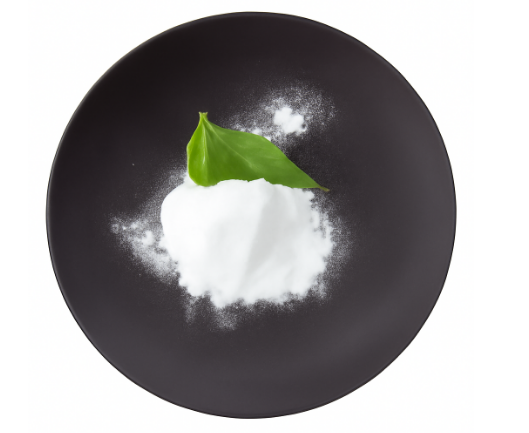
Sodium diacetate is a chemical compound formed by combining sodium acetate and acetic acid. It appears as a white crystalline powder and has a distinct tangy, vinegar-like smell. This compound acts as a sodium salt of acetic acid, making it slightly acidic. Its acidity helps regulate the pH in foods, which is important for preserving freshness and preventing spoilage.
The powder is free-flowing and hygroscopic, meaning it can absorb moisture from the air. This property requires careful storage to maintain its effectiveness. Chemically, sodium diacetate is stable and dissolves easily in water, which makes it useful in many food processing applications.
Sodium diacetate is widely used in the food industry for several reasons:
Preservative: It prevents the growth of mold and bacteria in foods, extending shelf life. This is especially useful in products like processed meats, sauces, and baked goods.
Flavor Enhancer: It adds a mild vinegar flavor, enhancing the taste of snacks such as chips, pretzels, and savory crackers.
pH Regulator: It helps maintain a consistent acidity level in food, which is important for texture and safety.
Antimicrobial Agent: Its ability to inhibit microbial growth makes it valuable in ready-to-eat meats and poultry products.
Because of these properties, sodium diacetate is commonly found in a variety of processed foods. It helps manufacturers keep products fresh longer while delivering desired flavors. However, it is important to use it within recommended limits to avoid potential side effects.
Note: Sodium diacetate’s dual role as a preservative and flavoring agent makes it a versatile additive, but accurate labeling helps consumers make informed choices about its presence in food products.
While sodium diacetate is generally recognized as safe, some people may experience mild side effects. These include skin irritation, such as burning, itching, or redness, especially if exposed to high concentrations. Some individuals report a dry or flushed sensation after consuming foods containing this additive. In rare cases, prolonged or excessive intake might cause appetite loss or weight changes. However, most people tolerate sodium diacetate well when it’s used within recommended amounts.
Sodium diacetate contains sodium, which contributes to the total sodium intake from food. Excessive consumption can elevate sodium levels in the body, potentially leading to health issues like high blood pressure or cardiovascular problems, especially in sensitive individuals. People managing hypertension or heart conditions should monitor their sodium intake carefully, including additives like sodium diacetate. It’s important to consider all dietary sources of sodium to avoid surpassing recommended limits.
Though rare, some individuals may have allergic reactions to sodium diacetate. Symptoms can include rash, hives, itching, or swelling of the face, lips, or throat. Severe allergic responses require immediate medical attention. Additionally, consuming foods high in sodium diacetate might cause digestive discomfort for some people. This can manifest as stomach upset, bloating, gas, or mild nausea, particularly when eaten in large amounts. Those with sensitive stomachs or gastrointestinal conditions should be cautious.
The U.S. Food and Drug Administration (FDA) has officially recognized sodium diacetate as Generally Recognized as Safe (GRAS). This designation means that experts agree sodium diacetate poses no significant health risk when used within approved limits. The GRAS status stems from extensive scientific research and safety evaluations, confirming that the additive’s benefits in food preservation and flavoring outweigh potential risks.
Being GRAS allows manufacturers to include sodium diacetate in a wide range of processed foods without requiring pre-market approval. It’s used extensively in baked goods, snacks, processed meats, and sauces, where it helps extend shelf life and enhance taste. However, this status doesn't mean unlimited use; regulatory agencies set guidelines to prevent overconsumption.
The Acceptable Daily Intake (ADI) for sodium diacetate is typically set at 0-15 mg per kilogram of body weight per day. This limit aims to safeguard consumers by ensuring intake remains well below levels that could cause adverse health effects.
For example, a person weighing 70 kg (about 154 lbs) should not consume more than approximately 1,050 mg of sodium diacetate daily. To put this into perspective, most food products containing sodium diacetate are formulated to keep additive levels within safe limits, especially when consumed as part of a balanced diet.
It's important for consumers to consider all sources of sodium in their diet, including other food additives, table salt, and processed foods. Excessive sodium intake has been linked to high blood pressure, heart disease, and stroke. Therefore, moderation remains key, particularly for individuals with existing health conditions like hypertension.
Regulatory agencies like the FDA continuously monitor food additives' safety profiles. They review new research, update guidelines, and enforce labeling requirements. Manufacturers are obliged to adhere to these standards, ensuring that sodium diacetate's use remains within safe limits.
Consumers can look for food labels that list sodium diacetate (often under the name "E262" in the European Union or as "food additive" in the U.S.). Being aware of these labels helps in making informed dietary choices, especially for vulnerable groups.
GRAS Status: Recognized as safe by FDA based on scientific evidence.
ADI Limit: 0-15 mg/kg body weight daily.
Usage: Widely used in processed foods, within regulated limits.
Monitoring: Regular review by authorities to ensure safety.
By understanding these regulatory standards, consumers and manufacturers can work together to promote safe consumption of sodium diacetate and other food additives.
Sodium diacetate's safety profile is generally accepted for most populations, but special caution is advised for newborns and children. Their bodies are still developing, and they are more sensitive to certain substances, including food additives. Although current research suggests sodium diacetate does not pose significant risks at typical dietary levels, the potential for increased sensitivity exists.
In infants and young children, excessive sodium intake can strain immature kidneys, possibly leading to dehydration or electrolyte imbalances. Since sodium diacetate contributes to sodium levels in foods, overconsumption could theoretically impact their delicate balance. Moreover, their smaller body size means even small amounts of additives can have a more pronounced effect compared to adults.
Parents and caregivers should be attentive to ingredient labels, avoiding foods with high levels of sodium diacetate or other sodium-based preservatives. It's best to prioritize fresh, unprocessed foods for young children. Consulting healthcare professionals before introducing processed foods containing sodium diacetate is advisable, especially if there are existing health concerns or dietary restrictions.
For pregnant women, the main concern surrounding sodium diacetate involves its sodium content and potential effects on blood pressure. Elevated sodium intake during pregnancy can increase the risk of hypertension, preeclampsia, and other complications. Since sodium diacetate is used in many processed foods, it can contribute significantly to daily sodium consumption.
While research indicates sodium diacetate is safe at regulated levels, pregnant women should still monitor their intake carefully. Excessive sodium can lead to water retention, swelling, and increased cardiovascular strain—conditions that are best avoided during pregnancy.
Additionally, some pregnant women may experience heightened gastrointestinal sensitivity, and the acidity of sodium diacetate could potentially exacerbate symptoms like heartburn or indigestion. Although no direct evidence links sodium diacetate to adverse pregnancy outcomes at typical levels, moderation remains essential.
Healthcare providers often recommend a balanced diet rich in fruits, vegetables, lean proteins, and whole grains. When consuming processed foods, reading labels to check for sodium content helps manage intake. If there's any doubt, consulting a healthcare professional ensures dietary choices support both maternal and fetal health.
Sodium diacetate plays a role in the production of certain pesticides. Its ability to lower pH levels enhances the effectiveness of some active ingredients. In pesticide formulations, maintaining the right pH can improve stability and potency. For example, sodium diacetate may be added to formulations to optimize conditions for microbial control or to enhance the breakdown of pesticides in the environment. However, its primary use remains within the food industry, where it is valued for its antimicrobial and preservative properties.
In the pharmaceutical sector, sodium diacetate is used as a pH buffer or stabilizer. Controlling pH is crucial for the efficacy and shelf life of many medications. Its antimicrobial properties can also help prevent contamination during manufacturing. For instance, sodium diacetate may be included in topical formulations or injectable solutions to maintain pH balance. Despite its utility, its use in pharmaceuticals is carefully regulated to prevent adverse reactions, especially in sensitive populations.
Sodium diacetate finds limited but notable applications in cosmetics. It functions as a pH adjuster, helping to stabilize formulations like creams, lotions, and serums. Proper pH levels ensure products are gentle on skin and effective in delivering active ingredients. Its antimicrobial properties can also extend the shelf life of cosmetic products, reducing the need for artificial preservatives. When used in cosmetics, it is generally in small quantities, minimizing potential skin irritation or allergic reactions.
The first step in avoiding unhealthy additives like sodium diacetate is to read ingredient labels carefully. Manufacturers are required to list all ingredients, so take the time to scan the list thoroughly. Look out for chemical names and unfamiliar terms such as "artificial flavors," "artificial colors," or "preservatives." Sodium diacetate may appear under its name or as its code, E262, especially in products sold in Europe.
Pay attention to the quantity of additives. Sometimes, small amounts may be less concerning, but frequent consumption of products with high additive levels can add up. Choosing items with simpler, natural ingredient lists helps reduce exposure to potentially harmful chemicals. When in doubt, opt for products labeled as free from artificial preservatives or flavor enhancers.
Whole foods—fresh fruits, vegetables, lean meats, grains, and legumes—are naturally free from many additives. Preparing meals from scratch provides complete control over ingredients, significantly lowering the risk of consuming unwanted chemicals like sodium diacetate.
Organic foods are produced without synthetic pesticides, artificial preservatives, or genetically modified ingredients. While not a guarantee against all additives, organic options tend to have fewer artificial substances. Incorporate more organic produce and minimally processed foods into your diet to promote better health and limit additive intake.
Educating yourself about common food additives can empower you to make healthier choices. Reputable health websites, government resources, and scientific studies provide detailed information on the safety and potential risks of various chemicals. For example, understanding that sodium diacetate is generally recognized as safe (GRAS) by the FDA helps put its use into perspective, but awareness of individual sensitivities remains important.
Stay updated on new research or regulatory changes related to food additives. Some consumers choose to avoid certain chemicals entirely, especially if they have sensitivities or health concerns. Using apps or online databases that scan ingredient labels can streamline this process, making it easier to identify and avoid additives like sodium diacetate.
Sodium diacetate is generally safe, but consuming it in excess can lead to side effects like skin irritation and digestive discomfort. Monitoring sodium intake, including from additives, helps prevent health issues. Making informed dietary choices by reading labels and opting for whole foods can reduce exposure to sodium diacetate. Yasuda offers products that prioritize safety and quality, ensuring consumers receive the benefits of sodium diacetate without compromising health.
A: Sodium Diacetate can cause skin irritation, digestive discomfort, and in rare cases, allergic reactions. Excessive intake may elevate sodium levels, affecting blood pressure.
A: Sodium Diacetate is used as a preservative, flavor enhancer, pH regulator, and antimicrobial agent in processed foods.
A: The FDA recognizes Sodium Diacetate as Generally Recognized as Safe (GRAS) when used within approved limits, based on scientific research.
A: The Acceptable Daily Intake (ADI) is 0-15 mg per kilogram of body weight per d


