


Views: 0 Author: Site Editor Publish Time: 2026-01-26 Origin: Site


Did you know that Magnesium Acetate can play an essential role as a catalyst, flavor carrier, and even in storage? This versatile compound is used in a variety of industries, including food production and chemical manufacturing. In this article, we will discuss how Magnesium Acetate serves these roles effectively, offering both functional and environmental benefits. You will learn about its applications, the best storage practices, and how it can improve processes in multiple sectors.
Reaction Type | Magnesium Acetate Role | Benefits | Example Use Case |
Esterification | Catalyst | Speeds up ester formation with lower energy costs | Fragrance production |
Polymerization | Catalyst | Enhances polymer production efficiency | Plastic manufacturing |
Biofuel Production | Catalyst | Reduces energy consumption and waste | Ethanol production from raw materials |
Magnesium acetate is an efficient catalyst used in various chemical reactions. A catalyst is a substance that accelerates a chemical reaction without being consumed in the process. Magnesium acetate plays a significant role in industrial and laboratory settings by promoting faster reaction rates and reducing the need for high temperatures or pressures. This makes the reactions more energy-efficient and cost-effective. Magnesium Acetate can effectively stabilize transition states, ensuring that chemical reactions proceed smoothly and without undesirable side products.
For example, in the production of esters, commonly used in fragrances, and in polymerization processes for manufacturing plastics, magnesium acetate serves as a catalyst that enhances the efficiency of these reactions. Its ability to act in various reactions makes it a versatile tool in chemical manufacturing.
Magnesium acetate is particularly useful in industries that require the synthesis of organic compounds. For instance, in the fragrance industry, it is used to produce esters, which are aromatic compounds commonly found in perfumes and essential oils. In polymerization, magnesium acetate helps in creating polymers more efficiently, saving both energy and time.
The use of Magnesium Acetate as a catalyst in esterification reactions is notable. It speeds up the process of converting alcohols and acids into esters without the need for high temperatures, which traditionally could lead to energy wastage. In addition, magnesium acetate can be used in the production of biofuels, where it aids in the conversion of raw materials into ethanol, reducing waste and promoting sustainability.
Unlike many traditional chemical catalysts, Magnesium Acetate is a more environmentally friendly alternative. It is biodegradable and produces fewer toxic byproducts compared to other catalysts like sulfuric acid. Its low toxicity makes it a safer choice for industries striving to reduce their environmental footprint. Additionally, magnesium acetate is non-corrosive, unlike other catalysts that can damage equipment and infrastructure over time. By using Magnesium Acetate as a catalyst, industries can improve their sustainability practices and reduce harmful environmental impacts.
For environmentally conscious businesses, magnesium acetate offers an eco-friendly and highly effective catalytic solution, minimizing waste while improving reaction efficiency.
Food Product | Role of Magnesium Acetate | Benefits |
Citrus Beverages | Enhances citrus flavor | Provides stronger, more consistent flavor |
Processed Snacks | Stabilizes flavor and texture | Extends shelf life and maintains flavor |
Dairy Products | Flavor stabilizer | Improves consistency in taste and texture |
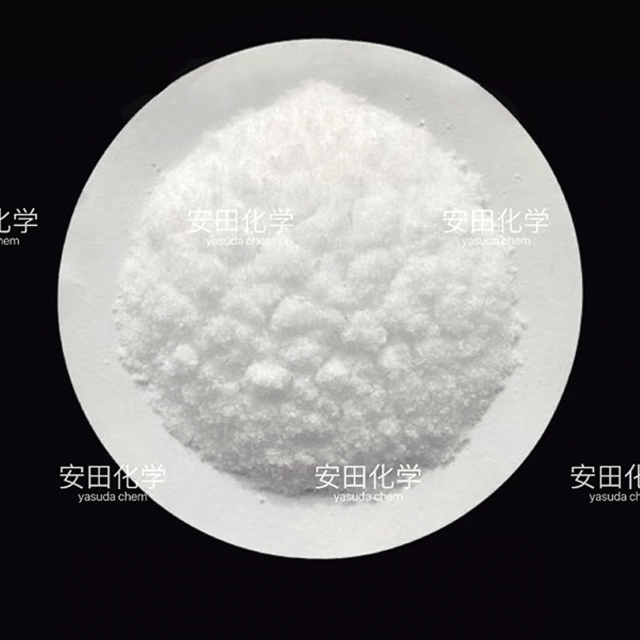
In the food industry, Magnesium Acetate is used as a flavor carrier. A flavor carrier is a substance that helps in the release and stability of flavor compounds, ensuring that they are effectively incorporated into food products. Magnesium Acetate enhances the intensity of flavors, particularly in beverages and processed foods. It is commonly used in citrus-based drinks, as it binds to the flavor molecules in fruits like lemon and orange, amplifying the taste.
This makes Magnesium Acetate an important ingredient in food and beverage production. By stabilizing flavors and allowing them to be more potent and long-lasting, it ensures that the intended flavor profile remains consistent throughout the product's shelf life. Its neutral pH ensures that it does not alter the flavor of the ingredients, maintaining the authenticity of the original taste.
One of the key reasons magnesium acetate is used in food products is its stability. Unlike other compounds that may break down over time or lose their efficacy, Magnesium Acetate remains stable, ensuring the consistency of flavors. It is also considered safe for consumption and is recognized by food safety authorities for use in food products. Its neutral chemical composition makes it an ideal choice for use in a wide range of foods, especially those that require long shelf lives.
Its role in maintaining the flavor integrity of beverages, snacks, and dairy products is essential, especially in products like flavored waters, salad dressings, and even chewing gum, where consistent flavor delivery is crucial for customer satisfaction.
Several popular food products utilize Magnesium Acetate to enhance and stabilize their flavors. For instance, it is commonly found in citrus-flavored drinks like lemonades and sodas, where it helps amplify the natural tartness of citrus fruits. It is also used in snack foods like potato chips and nuts, where it helps maintain flavor consistency. Additionally, Magnesium Acetate is used in dairy products such as cheeses, where it improves flavor consistency and texture.
Tip: Using magnesium acetate in food production helps maintain flavor consistency, enhancing the overall consumer experience by stabilizing flavors over time.
Proper storage of Magnesium Acetate is essential to maintain its effectiveness and extend its shelf life. Magnesium acetate should be stored in a cool, dry place, away from sources of heat and moisture. Ideal storage conditions involve temperatures between 20°C and 25°C (68°F to 77°F) with low humidity levels. Excessive heat can lead to the compound breaking down, while moisture exposure can cause it to degrade or form clumps.
Storage containers should be airtight to prevent moisture absorption, and packaging should be resistant to environmental factors. In large-scale industrial applications, specialized storage facilities with controlled climates may be required to ensure the integrity of Magnesium Acetate over extended periods.
When handling Magnesium Acetate, it is important to avoid exposure to air for extended periods, as this may cause the compound to absorb moisture, leading to clumping or reduced efficacy. For bulk storage, containers that are moisture-resistant or contain desiccants are recommended. Smaller quantities can be stored in sealed plastic bags or glass containers with tight-fitting lids. Packaging should also be durable enough to prevent any spillage or contamination.
Environmental factors such as temperature fluctuations and humidity can affect Magnesium Acetate. Exposure to high humidity levels can cause the compound to absorb moisture, which may cause degradation or reduce its effectiveness. It is essential to store it in an environment where the temperature and humidity levels are stable. For areas with high humidity or fluctuating temperatures, climate-controlled storage solutions are the best option to preserve the quality and effectiveness of Magnesium Acetate.
Tip: To ensure the longevity and efficacy of magnesium acetate, always store it in moisture-resistant containers and keep it in a cool, dry environment.
Magnesium Acetate is used in a wide range of industries, from pharmaceuticals and food production to chemical manufacturing. Its applications as a catalyst and flavor carrier are invaluable, and it continues to find new uses in various sectors. Whether in food, chemicals, or pharmaceuticals, Magnesium Acetate plays a crucial role in enhancing performance and efficiency, making it a staple in many industries.
By improving the efficiency of chemical reactions, Magnesium Acetate helps reduce production costs, energy consumption, and waste. In the food industry, its ability to stabilize flavors and improve shelf life leads to higher-quality products that last longer on the shelf. For businesses, this translates into increased customer satisfaction, reduced waste, and improved bottom lines. Additionally, its environmentally friendly nature ensures that companies can pursue sustainable practices while maintaining high performance.
Businesses looking to reduce production costs and enhance product quality should consider using magnesium acetate, as it provides both economic and performance benefits.
Magnesium Acetate offers significant benefits as a catalyst and flavor carrier, providing eco-friendly and efficient solutions. In addition, it is essential to store it properly to maintain its effectiveness. Companies like YASUDA CHEMICAL supply high-quality Magnesium Acetate, ensuring optimal performance across various industries, from food production to chemical manufacturing.
A: Magnesium Acetate is a chemical compound commonly used as a catalyst in industrial reactions, a flavor carrier in food products, and an additive in various manufacturing processes. It accelerates chemical reactions and enhances flavors without altering the original taste.
A: Magnesium Acetate serves as a catalyst by lowering the activation energy needed for chemical reactions, allowing them to occur more quickly and efficiently, especially in esterification and polymerization processes.
A: Yes, Magnesium Acetate is often used as a flavor carrier in food products, helping to stabilize and enhance the flavors in beverages, snacks, and dairy products, providing consistent and long-lasting taste.
A: Magnesium Acetate should be stored in a cool, dry place in airtight containers to protect it from moisture and heat. It is important to store it away from direct sunlight to prevent degradation.
A: Magnesium Acetate offers multiple benefits, including improved reaction efficiency in chemical processes, enhanced flavor stability in food production, and eco-friendly storage, making it a valuable compound for many industries.


