


Views: 0 Author: Site Editor Publish Time: 2026-01-19 Origin: Site


Have you ever wondered how a simple compound like Magnesium Acetate can have a profound impact on everyday life? From safer roads to better food, this compound is more versatile than you might think. In this article, we’ll explore five practical uses of Magnesium Acetate that you can actually see in the real world. By the end, you’ll understand how it’s shaping various industries, offering both environmental and functional benefits.
Feature | Magnesium Acetate | Traditional Salt (Sodium Chloride) |
Environmental Impact | Less harmful to vegetation and animals | Can damage plants and water sources |
Corrosive Effect | Low corrosion on infrastructure | High corrosion potential |
Effectiveness in Cold Temperatures | Works in lower temperatures | Less effective in extreme cold |
Biodegradability | Biodegradable | Not biodegradable |
Magnesium acetate is a highly effective de-icer that is often used to replace traditional salts like sodium chloride. When applied to roads, it prevents ice formation by lowering the freezing point of water, ensuring safer driving conditions during winter. Unlike traditional salt, magnesium acetate is less corrosive, making it a more environmentally friendly choice for road maintenance.
One of the biggest concerns with conventional de-icing salts is their negative impact on the environment. Road salt can damage vegetation, contaminate water supplies, and corrode infrastructure. Magnesium acetate, on the other hand, is much less harmful. It biodegrades more easily and is less toxic to plant life and animals. This makes it a preferred option for municipalities aiming to minimize their ecological footprint during the winter months.
Magnesium acetate is already being used in several cities and states in North America, Europe, and Asia as part of their winter road maintenance strategy. Its use is particularly prominent in areas with sensitive ecosystems where traditional road salts can have a significant impact. Municipalities and private contractors alike rely on magnesium acetate to maintain road safety during snowstorms and freezing temperatures, ensuring drivers can travel safely without the environmental damage.
Food Product | Role of Magnesium Acetate | Benefit |
Baked Goods | Stabilizer and preservative | Improves texture and shelf life |
Dairy Products | Controls acidity and enhances flavor | Maintains freshness and taste |
Processed Meats | Prevents spoilage and improves quality | Extends shelf life and preserves quality |
In food processing, magnesium acetate is used as a stabilizer and preservative. It helps control the acidity levels in food products, ensuring their longevity and enhancing the flavors. Magnesium acetate is often used in the production of bakery products, dairy items, and processed meats, where it can help preserve freshness without compromising taste or texture.
By maintaining the correct pH levels, magnesium acetate plays a vital role in preserving food quality. For example, in dairy production, it helps prevent the formation of undesirable compounds during fermentation, allowing for a smoother, creamier texture in products like cheese and yogurt. It also helps in improving the consistency and shelf life of processed foods.
Magnesium acetate can be found in a wide variety of food products. Baked goods often contain magnesium acetate to improve texture, prevent spoilage, and maintain flavor over extended periods. Dairy products like cheese also benefit from its stabilizing properties, ensuring that they maintain their taste and texture throughout their shelf life.
Tip: When choosing food additives, ensure that they comply with local food safety regulations and guidelines, especially for large-scale production.
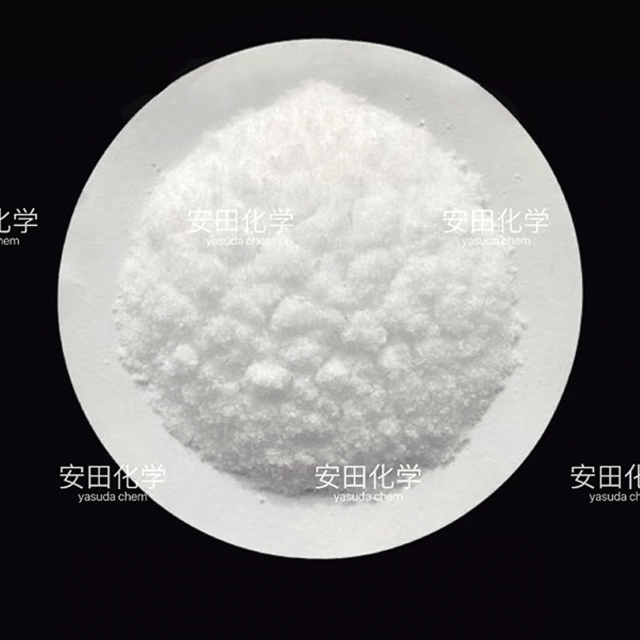
Magnesium acetate is commonly used in the pharmaceutical industry, primarily in magnesium supplements. It helps replenish magnesium levels in the body, which is crucial for various bodily functions, such as muscle function, nerve transmission, and maintaining a healthy heartbeat. As a compound, magnesium acetate is easily absorbed and provides an efficient way to administer magnesium. Magnesium acetate is often preferred over other forms due to its higher bioavailability and ability to be absorbed quickly in the digestive system.
Magnesium deficiencies can lead to numerous health issues, such as muscle cramps, fatigue, and even cardiovascular problems. Magnesium acetate supplements can help restore healthy magnesium levels and contribute to overall wellness. It’s also used in medical treatments to help manage conditions such as constipation and heart arrhythmias. Additionally, maintaining proper magnesium levels can enhance bone health, improve sleep quality, and support a healthy immune system.
In the manufacturing of drugs, magnesium acetate is incorporated into oral and intravenous magnesium solutions. These are often prescribed to patients with magnesium deficiencies or conditions that require magnesium supplementation. Its versatility in both oral and injectable forms makes it an essential ingredient in pharmaceuticals. Magnesium acetate is also used in laxatives and other therapeutic solutions due to its gentle effect on the gastrointestinal system. Its ability to dissolve easily and be utilized in different formulations makes it a go-to ingredient in many medical treatments, ensuring efficient magnesium delivery and improving patient outcomes.
Magnesium acetate is employed in wastewater treatment to remove contaminants and improve water quality. It works through a process known as flocculation, where it binds to impurities in the water, allowing them to be removed more easily. This application is particularly beneficial in industries such as mining, food processing, and textiles, where large quantities of wastewater are generated.
One of the significant advantages of magnesium acetate is its low environmental impact. Unlike traditional chemicals used in water treatment, magnesium acetate is biodegradable and safe for aquatic life. This makes it a more sustainable option for industries aiming to minimize pollution and meet environmental regulations.
Several municipalities and water treatment facilities around the world use magnesium acetate to treat their water supplies. Its efficiency and environmentally friendly properties have made it a preferred choice for communities looking to improve the quality of their water without relying on harmful chemicals. The use of magnesium acetate in water treatment is also growing as industries become more conscious of their environmental impact.
In construction, magnesium acetate is used as an additive in concrete stabilization. When mixed into concrete, it helps improve the strength and durability of the material. Magnesium acetate aids in the curing process by preventing the formation of unwanted compounds that can weaken the structure. This makes it particularly valuable in projects where concrete must withstand extreme environmental conditions.
Magnesium acetate works by enhancing the hydration process of the cement, leading to a stronger, more durable final product. It helps regulate the setting time of concrete, which can be crucial in projects where precise timing is necessary for successful construction. This improves the overall performance of the concrete, ensuring it lasts longer and withstands heavy use.
In large-scale construction projects, such as bridges, highways, and buildings, magnesium acetate is used to improve the quality of concrete. Its application ensures that the final structure is stronger, more resistant to cracking, and able to withstand harsh weather conditions. Many contractors and construction companies use magnesium acetate to meet industry standards and extend the lifespan of their concrete structures.
Magnesium acetate proves to be a valuable compound in various sectors. It’s used for de-icing roads, improving food quality, and even in water treatment and construction. Companies like YASUDA CHEMICAL provide high-quality magnesium acetate products that help industries make sustainable choices while boosting their operational efficiency.
A: Magnesium Acetate is used in a variety of applications, including road de-icing, food processing, water treatment, pharmaceuticals, and concrete stabilization.
A: Magnesium Acetate works by lowering the freezing point of water, preventing ice from forming on roads. It's less corrosive than traditional salt, making it more environmentally friendly.
A: Yes, Magnesium Acetate is biodegradable and less harmful to plant life, animals, and water sources compared to traditional de-icing salts.
A: Magnesium Acetate is used as a stabilizer in food products, helping to control acidity and preserve freshness in items like baked goods and dairy products.
A: Magnesium Acetate is used in wastewater treatment to bind with impurities, making them easier to remove. It's also eco-friendly and doesn't harm aquatic life.
A: Yes, Magnesium Acetate enhances concrete curing by preventing unwanted compound formation, improving the strength and durability of concrete.


