


Views: 0 Author: Site Editor Publish Time: 2026-01-05 Origin: Site


Have you ever wondered how de-icing agents are formulated in an eco-friendly way? Magnesium Acetate is one such compound, offering a sustainable solution for industries in need of safe alternatives to traditional salts. In this article, we will explore what Magnesium Acetate is, how it's prepared, and why it’s widely used in sectors like de-icing and food processing. You will learn about its chemical properties, preparation methods, and the benefits it offers to various industries.
To fully understand the importance and applications of Magnesium Acetate, it is first essential to define what this compound is and highlight its core properties. This section covers its basic characteristics, uses, and environmental considerations.
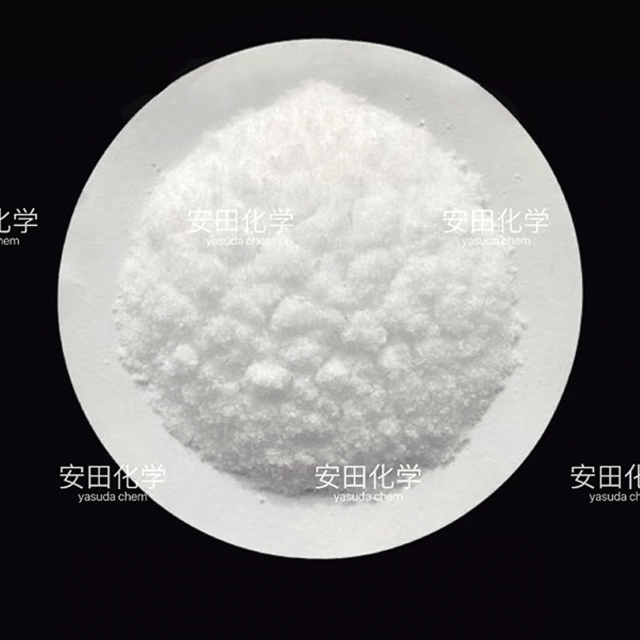
Magnesium Acetate is a white, odorless crystalline salt that is highly soluble in water. It consists of magnesium ions and acetate ions, derived from acetic acid. The compound is known for its ability to dissolve easily in water, making it suitable for various applications. This property makes it ideal for use in industries where solubility is crucial, such as in de-icing or food-grade processes.
The compound’s solubility in water is a key factor in its widespread use. It plays a major role in reducing the freezing point of water, making it an excellent choice for de-icing applications. Unlike traditional salts, Magnesium Acetate is also less corrosive, which makes it safer for infrastructure and the environment.
Magnesium Acetate’s versatility is one of its greatest strengths. This section outlines some of its most common applications and the industries that benefit from using it.
● De-icing: Magnesium Acetate is commonly used in winter for de-icing roads, airports, and other public infrastructure. Unlike sodium chloride, it is less damaging to roads, vehicles, and vegetation, which makes it a more sustainable option for snow and ice control.
● Food Processing: In the food industry, Magnesium Acetate is used as a stabilizer, preservative, and sometimes as a flavor enhancer. Its non-toxic nature makes it safe for use in food-grade applications, particularly in products like baked goods.
● Pharmaceuticals: Magnesium Acetate is also used in pharmaceuticals as a buffering agent and in the formulation of certain medicines and supplements. Its ability to regulate pH and stabilize formulations makes it valuable in medical products.
Application Area | Description | Benefits |
De-icing | Used for de-icing roads, airports, and other public infrastructure. | Environmentally friendly, less corrosive than salts. |
Food Processing | Used as a stabilizer and preservative in food products. | Non-toxic, safe for consumption. |
Pharmaceuticals | Used as a buffering agent in medications and supplements. | Regulates pH levels in formulations. |
When compared to traditional de-icing salts, Magnesium Acetate is considered environmentally friendly. It does not harm vegetation and causes less wear on concrete and metal infrastructure. However, it is important to handle the compound with care to avoid excessive moisture absorption, which can reduce its effectiveness. Proper storage is crucial to maintain its quality and performance in industrial applications.
Tip: Magnesium Acetate is a great alternative for eco-conscious industries, offering safer de-icing solutions without the long-term environmental impacts of traditional salts.
Magnesium Acetate is created through a chemical process involving magnesium salts and acetic acid. This section explores how the compound is synthesized and the methods used in industrial production.
Step | Description |
Reacting Magnesium Salt | Magnesium salt, such as magnesium carbonate or hydroxide, is mixed with acetic acid. |
Heating the Mixture | The mixture is heated to accelerate the reaction process. |
Purification | The resulting Magnesium Acetate solution is purified and crystallized. |
Drying and Packaging | The final product is dried and packaged for use in various industries. |
Magnesium Acetate is typically synthesized through the reaction of magnesium salts like magnesium carbonate or magnesium hydroxide with acetic acid. The resulting reaction forms Magnesium Acetate, along with by-products such as carbon dioxide or water, depending on the specific magnesium salt used.
The reaction occurs in an aqueous solution where the magnesium salt dissolves in water, and acetic acid is added. This reaction is essential for producing the compound in sufficient quantities for industrial use.
In large-scale production, Magnesium Acetate is made by dissolving magnesium salts in water and mixing them with acetic acid under controlled conditions. The reaction mixture is then heated to facilitate the formation of Magnesium Acetate. Once the reaction is complete, the solution is evaporated to crystallize the compound. This crystallized product is then filtered, dried, and packaged for use in a variety of applications.
This method is widely used because it is both efficient and scalable, making it ideal for mass production. The process ensures that high-purity Magnesium Acetate is produced, which is essential for its use in sensitive industries like food processing and pharmaceuticals.
While the reaction between magnesium salts and acetic acid is the most common method for preparing Magnesium Acetate, there are alternative techniques, such as reacting magnesium oxide with acetic acid. These methods are used depending on raw material availability and production requirements.
Tip: Manufacturers should choose the preparation method based on the specific application needs, taking into account factors like cost, purity, and the desired properties of the final product.
Several factors impact the quality and efficiency of Magnesium Acetate production. In this section, we will discuss the key considerations that influence its preparation.
The quality of raw materials is crucial in producing high-quality Magnesium Acetate. Magnesium salts, such as magnesium carbonate or magnesium hydroxide, must meet strict purity standards to ensure the compound’s consistency and effectiveness. Similarly, the acetic acid used must be of the right grade, particularly when the final product is intended for food or pharmaceutical applications.
Temperature and pH levels must be carefully controlled during the production process. High temperatures speed up the reaction but must be regulated to avoid overheating. Additionally, maintaining the proper pH ensures that the reaction proceeds efficiently, resulting in a pure product without the formation of unwanted by-products.
Once Magnesium Acetate has been formed, the solution must be purified to remove any unreacted materials or impurities. This purification process typically involves filtration and evaporation to achieve the desired crystalline form. Quality control checks ensure that the final product meets the required standards for its intended use, whether in de-icing, food processing, or pharmaceuticals.
Magnesium Acetate continues to be a subject of research, particularly in its applications and production techniques. This section highlights recent innovations and future possibilities for the compound.
Researchers are constantly exploring new ways to use Magnesium Acetate. Beyond its traditional applications, it is being investigated for use in green chemistry, waste treatment, and renewable energy sectors. For instance, studies are being conducted to examine how Magnesium Acetate can improve battery performance and enhance the efficiency of fuel cells.
As environmental concerns continue to grow, Magnesium Acetate's role as a de-icing agent is also gaining more attention, thanks to its lower environmental impact compared to traditional de-icing salts.
Recent advancements in production techniques aim to make the manufacturing process more sustainable and cost-effective. New energy-efficient reactors and green chemistry approaches are being developed to reduce the environmental footprint of Magnesium Acetate production. These innovations not only improve production efficiency but also make the compound more accessible to industries looking for eco-friendly alternatives.
Magnesium Acetate is a versatile compound used in de-icing, food processing, and pharmaceuticals. It is produced through a simple process involving magnesium salts and acetic acid. YASUDA CHEMICAL provides high-quality Magnesium Acetate that delivers excellent performance while being environmentally friendly. This product helps industries meet operational needs with a safer, more sustainable solution.
A: Magnesium Acetate is commonly used for de-icing roads and runways, as a food preservative, and in pharmaceuticals as a buffering agent. Its versatility makes it valuable across several industries.
A: Magnesium Acetate is prepared by reacting magnesium salts like magnesium carbonate or hydroxide with acetic acid. This reaction produces Magnesium Acetate, which is then purified and crystallized.
A: Magnesium Acetate is preferred because it is less corrosive than traditional salts, making it safer for infrastructure and more environmentally friendly.
A: Magnesium Acetate acts as a stabilizer and preservative in food processing, ensuring product quality while being non-toxic and safe for consumption.
A: Magnesium Acetate is more eco-friendly than sodium chloride and less damaging to concrete and metal, making it a safer alternative for de-icing.
A: Yes, Magnesium Acetate is used in pharmaceutical products as a buffering agent. It helps regulate pH levels in medications and supplements.


