


Views: 0 Author: Site Editor Publish Time: 2025-11-11 Origin: Site


How do food manufacturers keep products fresh without altering taste? Sodium diacetate is the secret. This versatile additive preserves food by inhibiting microbial growth and regulating acidity. In this post, you'll learn how sodium diacetate keeps food fresh, its role in extending shelf life, and why it's favored in the food industry.
Sodium diacetate is a white, crystalline powder made from a combination of acetic acid and sodium acetate. Its chemical formula is CH₃COONa·CH₃COOH. This unique pairing gives it a mild acidity and a subtle vinegar-like aroma. It dissolves easily in water, allowing it to blend smoothly into various food products.
One of its standout features is its dual nature: it acts both as a preservative and an acid regulator. This means it not only helps keep food safe by slowing down microbial growth but also controls the pH level of foods. The mild acidic environment created by sodium diacetate discourages bacteria, yeast, and mold from thriving.
Compared to other preservatives like benzoates or propionates, sodium diacetate offers a softer acidic flavor. This makes it a preferred choice for many food manufacturers who want to maintain the original taste of their products without adding harsh flavors.
Sodium diacetate is widely recognized in the food industry under the additive code E262(ii). It’s commonly used to:
Preserve freshness by preventing spoilage.
Extend shelf life by inhibiting microbial growth.
Regulate acidity to keep foods stable and safe.
Enhance flavor subtly, thanks to its mild vinegar notes.
Its applications span many food categories, including baked goods, processed meats, sauces, snacks, and dairy products. For example, in baked goods, it prevents a type of spoilage called rope spoilage caused by Bacillus bacteria. In processed meats, it helps stop pathogens like Listeria monocytogenes, improving food safety.
Manufacturers appreciate sodium diacetate because it is easy to handle, stable during storage, and compatible with other ingredients. It fits well into various food processing environments without complicating production.
Moreover, sodium diacetate has been deemed safe by major food safety authorities like the FDA and EFSA. It carries the GRAS (Generally Recognized as Safe) status, reassuring manufacturers and consumers alike about its safety when used within recommended limits.
Sodium diacetate works mainly by stopping microbes like bacteria, yeast, and molds from growing. It creates a mild acidic environment that microbes find hard to survive in. This action slows down spoilage and reduces the chance of foodborne illnesses. Unlike harsher preservatives, sodium diacetate targets microbes without adding strong off-flavors, making it ideal for delicate food items.
By controlling microbial growth, sodium diacetate helps keep food fresh longer. It delays spoilage, so products stay safe and tasty beyond their usual shelf life. This extension benefits manufacturers by reducing waste and improving distribution flexibility. Consumers also enjoy fresher products over a longer period, enhancing satisfaction and reducing food waste at home.
Sodium diacetate acts as an acid regulator, helping maintain a stable pH in food products. Lower pH levels inhibit harmful bacteria and molds, improving safety and shelf stability. This acid control also helps preserve the texture and appearance of foods, preventing undesirable changes during storage. Its mild acidity is gentle enough not to overpower the food’s natural flavor.
Rope spoilage is a problem in bread caused by Bacillus bacteria, which produce a sticky, rope-like texture and unpleasant odor. Sodium diacetate effectively prevents this spoilage by inhibiting Bacillus growth. This keeps bread and other baked goods looking and smelling fresh, maintaining their quality and consumer appeal. It’s a key reason why sodium diacetate is popular in bakery products.
Sodium diacetate is a key ingredient in baked goods like bread, cakes, and rolls. It acts as a mold inhibitor, preventing the growth of fungi that cause spoilage. By controlling mold, it extends the product’s shelf life without changing the taste or texture. In bread, sodium diacetate also helps prevent rope spoilage caused by Bacillus bacteria. This spoilage results in a sticky, unpleasant texture and odor, which negatively impacts consumer appeal. Using sodium diacetate keeps baked goods fresh, visually appealing, and safe for longer periods.
In processed meats such as ham, sausages, and deli meats, sodium diacetate plays a vital role in food safety and quality. It inhibits the growth of harmful bacteria like Listeria monocytogenes and Salmonella, reducing the risk of foodborne illnesses. It also helps maintain the meat’s color, flavor, and texture during storage. Often combined with other preservatives like lactates, sodium diacetate enhances shelf life and ensures the meat remains tender and flavorful. Its antimicrobial properties make it especially useful in ready-to-eat and cured meat products.
Sodium diacetate is commonly used in sauces, salad dressings, and seasoning blends. It helps regulate pH, creating a mildly acidic environment that inhibits microbial growth. This action prevents spoilage and extends shelf life. Additionally, its vinegar-like aroma and flavor subtly enhance savory profiles, making foods more appealing. Because it dissolves easily in liquids, sodium diacetate integrates smoothly into sauces and seasonings without affecting their consistency or taste.
Snack foods like chips, crackers, and popcorn benefit from sodium diacetate’s preservative qualities. It helps retain crispness and flavor over time, preventing microbial spoilage. It also reduces fat oxidation, which can cause rancidity, thereby prolonging shelf life. Its light acidity enhances flavor, giving snacks a tangy note that appeals to consumers. This makes sodium diacetate a popular choice for manufacturers aiming to keep their products fresh and tasty longer.
In processed cheese and dairy-based sauces, sodium diacetate helps control microbial growth and adjust acidity. It maintains product quality during storage, preventing spoilage. Its mild flavor ensures it does not interfere with the natural taste of dairy products. By stabilizing pH levels, sodium diacetate helps preserve the appearance, texture, and flavor of cheeses and dairy sauces, extending their freshness.
Sodium diacetate also finds use in animal nutrition. It controls microbial growth in feed, improving storage stability and preventing spoilage. Its antimicrobial action ensures that feed remains safe and nutritious over time. This application supports the overall health of animals and reduces waste caused by spoiled feed. Its safety profile and effectiveness make it a valuable additive in pet food and livestock feed formulations.
Tip: Incorporating sodium diacetate in food formulations can significantly improve shelf life and safety, especially in products prone to mold or bacterial contamination.
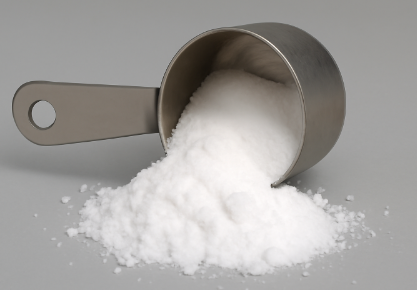
Sodium diacetate is widely recognized as safe for use in food products. The U.S. Food and Drug Administration (FDA) classifies it as GRAS—Generally Recognized as Safe. This status means experts agree sodium diacetate is safe when used according to good manufacturing practices. Other global food safety authorities, including the European Food Safety Authority (EFSA), also approve its use. These approvals reflect thorough evaluations of its safety, toxicity, and potential health effects.
Because sodium diacetate breaks down into substances naturally found in the body—like acetic acid and sodium ions—it poses minimal risk when consumed at recommended levels. It does not accumulate or cause harmful effects. This strong safety profile reassures manufacturers and consumers that sodium diacetate can be used to preserve food without compromising health.
To ensure safety and effectiveness, sodium diacetate is used within specific dosage ranges depending on the food product. Typical recommended levels range from 0.1% to 0.3% of the food’s weight. For example:
In baked goods, usage often stays below 0.3% to prevent mold and rope spoilage.
Processed meats may contain up to 0.3% sodium diacetate to inhibit pathogens like Listeria.
Snack foods and sauces usually incorporate lower levels, around 0.1% to 0.2%, balancing preservation and taste.
Exceeding these limits is unnecessary and could affect flavor or texture. Manufacturers follow regulatory guidelines and conduct product-specific testing to determine optimal dosages. These practices ensure food safety, maintain quality, and comply with legal standards.
In addition, sodium diacetate has no known allergenic effects. It is considered a clean-label option, appealing to consumers seeking natural or minimally processed food ingredients.
Food manufacturers prefer sodium diacetate because it offers multiple functional benefits that simplify production and improve product quality. Its antimicrobial properties are broad-spectrum, effectively inhibiting bacteria, molds, and yeasts. This helps extend shelf life and reduce spoilage without relying on harsher chemicals. Its ability to control pH levels makes it a versatile acid regulator, ensuring food remains stable during storage and transportation.
Sodium diacetate’s mild vinegar-like flavor is another advantage. It enhances taste subtly without overpowering the original flavor profile of the product. This makes it suitable for a wide range of foods—from baked goods to processed meats—without compromising sensory qualities. Its ease of handling is notable; it dissolves quickly in water, allowing seamless incorporation into recipes and formulations.
From a practical standpoint, sodium diacetate is stable during storage, resistant to moisture, and compatible with other ingredients. It can be added via spraying, soaking, or mixing, offering flexibility in processing lines. Its stability under heat and processing conditions ensures consistent performance, reducing the need for reformulation or additional preservatives.
Sodium diacetate’s compatibility with various food processing environments is a key reason it’s widely adopted. It does not react negatively with other common ingredients, such as salt, sugar, or spices. Its neutral handling characteristics mean it can be integrated into existing production lines without significant adjustments.
Regulatory approvals from agencies like the FDA and EFSA classify sodium diacetate as GRAS (Generally Recognized as Safe). This approval simplifies its use in different food categories, ensuring compliance with safety standards. Its non-toxic nature and minimal allergenic risks appeal to manufacturers aiming for clean-label products.
Moreover, sodium diacetate’s stability in different pH environments and temperatures makes it suitable for diverse processing methods—baking, curing, emulsifying, or marinating. It performs reliably whether used in high-temperature baking or cold storage applications. Its versatility allows manufacturers to streamline their operations, reduce inventory complexity, and meet consumer demands for safer, longer-lasting foods.
In addition, sodium diacetate’s eco-friendly profile aligns with sustainability efforts. It breaks down naturally into safe byproducts, minimizing environmental impact. This compatibility with eco-conscious manufacturing practices further encourages food companies to choose sodium diacetate as a key preservative.
Reducing sodium in foods has become a top priority worldwide. Health organizations like the World Health Organization (WHO) and the U.S. Food and Drug Administration (FDA) encourage lowering daily sodium intake to prevent hypertension and heart disease. Many countries have set ambitious sodium reduction targets for processed foods, including meats, snacks, and baked goods.
Sodium reduction efforts often challenge food manufacturers. Sodium salts, including sodium-based preservatives, contribute significantly to total sodium content. For example, traditional meat preservatives like sodium lactate add notable sodium amounts. This makes it harder to meet sodium limits without sacrificing food safety or quality.
Sodium diacetate and other acetate-based preservatives offer a promising way to reduce sodium while maintaining preservation. They work effectively at lower doses compared to lactates, thanks to their higher undissociated acid content. This means less preservative is needed to inhibit harmful microbes, which helps lower the total sodium in the final product.
Potassium diacetate variants also exist, allowing manufacturers to replace sodium salts entirely in some cases. Potassium-based acetates provide similar antimicrobial effects without adding sodium, helping meet strict sodium targets. They also tend to have fewer taste issues than potassium lactate, which can produce a metallic flavor at higher doses.
Using sodium diacetate supports reformulation efforts by:
Providing strong antimicrobial protection at low concentrations.
Allowing more flexibility in sodium "budget" for flavor and other ingredients.
Helping maintain product shelf life and safety standards.
Offering compatibility with existing food processing methods.
Meat processors, in particular, benefit from acetate preservatives. They can reduce sodium content while controlling pathogens like Listeria monocytogenes effectively. This helps comply with regulatory sodium limits without compromising food safety. Additionally, acetate preservatives face fewer supply chain challenges than lactic acid derivatives. This reliability is crucial as manufacturers navigate changing regulations and consumer demands.
Sodium diacetate plays a crucial role in food preservation by inhibiting microbial growth, extending shelf life, and controlling pH levels. Its mild flavor makes it ideal for various applications, from baked goods to processed meats. As global sodium reduction trends continue, sodium diacetate offers a viable solution for manufacturers aiming to lower sodium content while ensuring food safety. Companies like Yasuda leverage sodium diacetate's unique benefits, providing value through enhanced product longevity and quality.
A: Sodium Diacetate is a white, crystalline powder used as a preservative and acid regulator in foods, combining acetic acid and sodium acetate.
A: Sodium Diacetate inhibits microbial growth, extends shelf life, and controls pH levels, keeping food fresh without altering taste.
A: Manufacturers prefer Sodium Diacetate for its antimicrobial properties, mild flavor, and compatibility with various food processing environments.
A: Yes, Sodium Diacetate is deemed safe by the FDA and EFSA, carrying a GRAS status when used within recommended limits.


