


Views: 0 Author: Site Editor Publish Time: 2026-01-12 Origin: Site


Have you ever wondered how magnesium acetate benefits various industries? This versatile compound is a game-changer in fields like de-icing, food processing, and pharmaceuticals. In this article, we will explore magnesium acetate’s unique properties and diverse applications. You'll learn about its environmental advantages, safety benefits, and how it provides value in numerous industries.
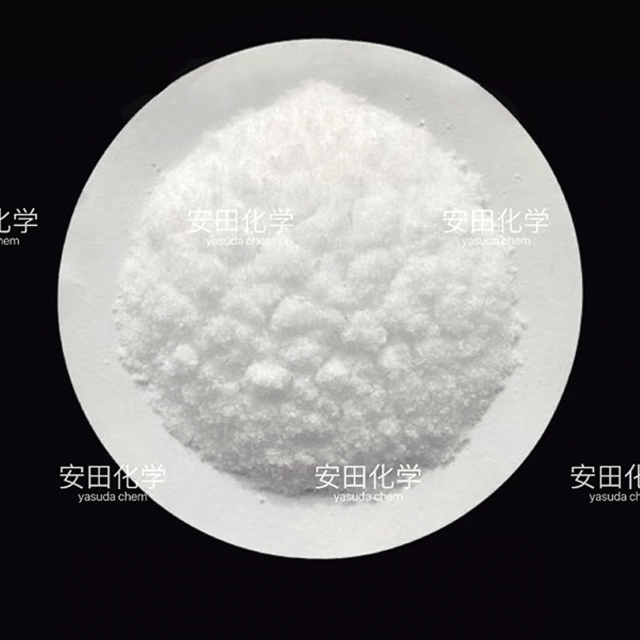
Magnesium acetate is a salt formed by combining magnesium and acetic acid. Its chemical formula is Mg(C₂H₃O₂)₂, signifying it is composed of magnesium ions (Mg²⁺) paired with acetate ions (C₂H₃O₂⁻). This compound is typically produced by dissolving magnesium oxide or magnesium hydroxide in acetic acid. When the resulting solution is evaporated, it leaves behind the white crystalline substance that is magnesium acetate.
One of the standout features of magnesium acetate is its solubility in water. This characteristic makes it easy to incorporate into various aqueous processes, whether in road treatments or food processing. Additionally, magnesium acetate exhibits impressive thermal stability, allowing it to perform well in both high and low temperatures without significant decomposition.
Magnesium acetate appears as a white, odorless crystalline solid. It’s highly soluble in water, which makes it suitable for use in liquid formulations. In solid form, magnesium acetate is stable under normal conditions but is hygroscopic, meaning it absorbs moisture from the environment. This feature ensures it remains effective even in dry conditions, maintaining its functionality across diverse environments. Its melting point is relatively high, making it an ideal candidate for applications requiring stability under temperature changes.
Property | Description |
Chemical Formula | Mg(C₂H₃O₂)₂ |
Appearance | White, odorless crystalline solid |
Solubility | Highly soluble in water |
Melting Point | High, stable under varying temperatures |
Hygroscopic | Absorbs moisture from the air |
Non-toxic | Safe for handling and use in food and pharmaceuticals |
Magnesium acetate is typically produced through an industrial process that involves reacting magnesium oxide (MgO) or magnesium hydroxide (Mg(OH)₂) with acetic acid. The reaction yields magnesium acetate and water. The resulting magnesium acetate solution is then concentrated and evaporated to obtain the crystalline solid.
This production method ensures the purity and effectiveness of the magnesium acetate used in various applications, from de-icing agents to pharmaceutical excipients. The process can be adjusted to meet the specific needs of different industries, making it a flexible and reliable compound for a range of uses.
Magnesium acetate is commonly used in winter road maintenance as a de-icing agent. Unlike traditional salt-based de-icers, magnesium acetate is less corrosive and more environmentally friendly, reducing harm to road infrastructure, vehicles, and surrounding vegetation. Magnesium acetate’s ability to efficiently lower the freezing point of water helps to prevent ice buildup, ensuring safer driving conditions during winter months.
In addition to de-icing, magnesium acetate is also used for dust control on roads, especially in dry areas where dust can be a significant problem. Its ability to absorb moisture and prevent dust from becoming airborne makes it an effective solution for maintaining clean, safe roads.
Magnesium acetate plays a crucial role in the food industry, particularly as a stabilizer and acidity regulator. It’s used to control the acidity in certain foods and beverages, ensuring they maintain their desired flavor and texture. Additionally, magnesium acetate can act as an emulsifier, helping to blend ingredients that may otherwise separate, such as oil and water.
In some food products, magnesium acetate is used to regulate pH levels, which can enhance shelf life and prevent spoilage. Its non-toxic nature makes it a safe option for food formulations, and it’s often found in processed foods, dairy products, and beverages.
In the pharmaceutical industry, magnesium acetate is used as an excipient in various formulations. It can help improve the stability and efficacy of medications by acting as a stabilizer and buffering agent. Magnesium acetate’s role in ensuring the proper pH levels in certain medications is crucial for their effectiveness.
Furthermore, magnesium acetate can be found in some intravenous fluids where it helps maintain the correct electrolyte balance. Its non-toxic properties make it a safe option for such applications, ensuring that it doesn’t interfere with the body’s natural systems when used in medical treatments.
Magnesium acetate is utilized in the textile industry, particularly in the treatment of fabrics during the dyeing and finishing processes. It helps improve the uniformity and quality of fabric colors by stabilizing the dye and ensuring it adheres properly to the fibers. Additionally, magnesium acetate can enhance the fabric’s durability and softness, making it ideal for use in high-quality garments and textiles.
In water treatment, magnesium acetate is employed in flocculation processes. It helps remove impurities from water by encouraging the formation of flocs—clumps of particles that can be easily removed. This makes it an essential compound in water purification systems, particularly in municipal water treatment facilities where maintaining water quality is of utmost importance.
One of the main advantages of magnesium acetate is its environmental friendliness. Unlike traditional de-icing agents, such as sodium chloride (table salt), magnesium acetate is biodegradable and less harmful to the environment. It does not contribute to the buildup of harmful chemicals in the soil or water, making it a safer option for use in sensitive ecosystems, such as those near roads, forests, and bodies of water.
Furthermore, magnesium acetate's reduced corrosiveness compared to salt-based de-icers means less damage to infrastructure, vehicles, and vegetation. This reduces the long-term maintenance costs associated with road repairs and vehicle damage, contributing to sustainable and eco-friendly winter road management.
Magnesium acetate is known for its non-toxic nature, making it a safer alternative to many other chemical agents. In addition to being safer for the environment, it’s also less harmful to humans and animals. Its low toxicity profile allows it to be safely used in a variety of applications, from food processing to pharmaceuticals, without posing significant health risks.
Moreover, magnesium acetate is less corrosive than traditional de-icing salts, which means it is less likely to cause damage to surfaces and equipment, including vehicles and road infrastructure. This makes it a preferred choice in environments where corrosion could lead to significant long-term costs.
While magnesium acetate may have a higher initial cost than sodium chloride, its long-term value in various applications makes it cost-effective in the long run. For example, in de-icing, its ability to reduce corrosion and protect infrastructure translates into fewer repairs and lower maintenance costs over time. In the food industry, its role in improving the shelf life of products and ensuring quality can lead to better consumer satisfaction and reduced waste.
When compared to other de-icing agents like calcium chloride, magnesium acetate’s environmental benefits and non-toxic properties further justify its investment, offering long-term savings in environmental remediation and infrastructure maintenance.
Magnesium acetate offers several advantages over sodium chloride, especially in de-icing applications. Unlike sodium chloride, magnesium acetate is less corrosive and biodegradable, making it a better option for protecting the environment and reducing infrastructure damage. Sodium chloride can lead to soil degradation, corrosion of vehicles, and damage to vegetation, while magnesium acetate has minimal environmental impact and helps preserve the long-term health of ecosystems.
When compared to calcium chloride and potassium acetate, magnesium acetate is less harmful to the environment. While calcium chloride is effective for low temperatures, it can cause significant corrosion and is more harmful to plants and animals. Potassium acetate, though safer than calcium chloride, is still more costly than magnesium acetate and lacks its environmental benefits. Magnesium acetate strikes a balance between performance, cost-effectiveness, and environmental safety.
Magnesium acetate stands out in the food industry due to its non-toxic nature and ability to regulate acidity and stabilize formulations. Unlike other stabilizing agents, which may have health risks or negative environmental impacts, magnesium acetate offers a safe, effective solution for food processing. It is particularly beneficial in preserving the taste and texture of processed foods, beverages, and dairy products.
Magnesium acetate is poised for continued growth in the de-icing industry, with innovations focused on improving its efficiency and reducing its cost. Research into more sustainable production methods and the development of hybrid formulations could expand its use in winter maintenance, offering even more eco-friendly options for road management.
As industries seek more sustainable and safe chemical solutions, magnesium acetate is likely to see new applications in emerging sectors like biotechnology and agriculture. Its ability to regulate acidity and stabilize compounds makes it an ideal candidate for use in agricultural products and biotechnological processes that require precise control over environmental conditions.
Magnesium acetate is an essential compound with wide applications in de-icing, food processing, and pharmaceuticals. Its ability to offer environmental benefits and cost-effective solutions makes it highly valuable. YASUDA CHEMICAL provides high-quality magnesium acetate that enhances performance and delivers value across different industries. Their products offer stability, safety, and eco-friendly alternatives for various commercial and industrial needs.
A: Magnesium acetate is a chemical compound formed from magnesium and acetic acid. It is commonly used in de-icing, food processing, and pharmaceuticals due to its unique properties like solubility and non-toxicity.
A: Magnesium acetate is used as an environmentally-friendly alternative to traditional salt-based de-icers. It helps prevent ice formation on roads and is less corrosive, reducing infrastructure damage.
A: In food processing, Magnesium Acetate acts as a stabilizer and acidity regulator. It helps maintain the taste, texture, and shelf life of processed foods and beverages.
A: Magnesium acetate is preferred over sodium chloride for its environmental benefits. Unlike salt, it is biodegradable, non-toxic, and less damaging to vegetation and infrastructure.
A: Yes, Magnesium Acetate is non-toxic and safe to handle. Its low corrosiveness and biodegradability make it a safer option for various applications, including de-icing and food processing.


