


Views: 240 Author: Site Editor Publish Time: 2025-09-03 Origin: Site


Understanding the production process of sodium acetate is crucial for customers who rely on this versatile chemical across various industries. Sodium acetate is widely used in textile dyeing, food preservation, pharmaceuticals, and laboratory applications. Knowing how it is manufactured—from the simple lab synthesis to sophisticated industrial production—helps customers appreciate the product’s quality, purity, and reliability. At Wuxi Yasuda Chemical Co., Ltd., we combine traditional chemistry with advanced production technologies to provide sodium acetate that meets stringent industrial standards. This article will explore the common laboratory methods for preparing sodium acetate, explain the detailed industrial production process, highlight our quality assurance practices, and discuss the environmental considerations of modern manufacturing.
In laboratory or educational environments, sodium acetate is typically prepared through straightforward acid-base neutralization reactions. These methods are fundamental for understanding the chemistry behind sodium acetate and serve as a foundation for industrial processes.
Reaction Between Acetic Acid and Sodium Carbonate
One of the most common lab methods involves reacting acetic acid (CH₃COOH) with sodium carbonate (Na₂CO₃). This reaction produces sodium acetate, carbon dioxide gas, and water:
CH₃COOH + Na₂CO₃ → 2 CH₃COONa + CO₂↑ + H₂O
This reaction is notable for the visible effervescence caused by the release of carbon dioxide gas, making it a popular demonstration in chemistry classes. It proceeds rapidly and is exothermic, releasing some heat as the acid neutralizes the carbonate base. After the reaction, the sodium acetate can be isolated by evaporating the water and crystallizing the salt.
Reaction with Sodium Bicarbonate (Baking Soda)
A similar but more controlled approach uses sodium bicarbonate (NaHCO₃) instead of sodium carbonate:
CH₃COOH + NaHCO₃ → CH₃COONa + CO₂↑ + H₂O
This reaction proceeds with the same neutralization principle, producing sodium acetate and carbon dioxide. Because sodium bicarbonate is milder than sodium carbonate, this reaction tends to be less vigorous and easier to handle in small-scale preparations. After completion, the solution can be evaporated or dried to obtain solid sodium acetate.
Limitations of Lab Methods
While these methods are excellent for small-scale synthesis and educational purposes, they do not provide the purity levels or production volumes required for commercial or industrial use. Impurities may remain due to incomplete reactions or contamination from reactants, and the process is not optimized for large-scale yield. To meet industrial demands, more refined chemical engineering methods are necessary.
Industrial production of sodium acetate requires not only larger reactors but also precise control over reaction conditions, purity, drying, and packaging to ensure consistent, high-quality output.
Reaction of Acetic Acid with Sodium Hydroxide (NaOH)
The most widely used industrial method involves the neutralization of glacial acetic acid with sodium hydroxide. This reaction is highly efficient and controllable:
CH₃COOH + NaOH → CH₃COONa + H₂O
Unlike carbonate-based reactions, this route does not produce carbon dioxide gas, simplifying the process and reducing equipment corrosion risks. The reaction is typically carried out in large stainless-steel reactors with agitation to ensure complete mixing and neutralization. By carefully controlling the molar ratio, temperature, and reaction time, manufacturers can avoid excess reactants and minimize impurities.
Drying and Crystallization Techniques
After the reaction, the resulting sodium acetate solution is concentrated and dried. The drying process is a critical step that influences product quality, moisture content, and particle size distribution. Various drying methods are employed, depending on the desired product form:
Spray Drying: Atomizing the liquid into a hot air stream, resulting in fine, dry powder. This method is fast and suitable for large volumes.
Fluid Bed Drying: A gentle drying technique that circulates hot air through granulated particles, producing uniform granules with controlled moisture content.
Vacuum Drying with Rake Dryers: Removes moisture under reduced pressure, preventing thermal degradation and preserving chemical stability.
These drying techniques are carefully selected and optimized at Yasuda Chemical to ensure sodium acetate meets specifications for moisture content and particle morphology, whether in anhydrous form or trihydrate crystals.
Process Automation and Quality Control
Modern industrial production benefits from digital process control systems. At Wuxi Yasuda Chemical, a Distributed Control System (DCS) monitors variables such as temperature, pH, reaction time, and drying parameters in real-time. This automation reduces human error and ensures batch-to-batch consistency. Each batch undergoes rigorous quality checks including purity analysis, moisture content, particle size distribution, and absence of contaminants.
Packaging in Controlled Environments
Post drying, sodium acetate is packed in our purification workshops. These clean environments prevent contamination from dust, moisture, or foreign matter, ensuring product integrity throughout storage and transport. Packaging materials are also selected to protect the product from environmental factors, maintaining shelf life and stability.
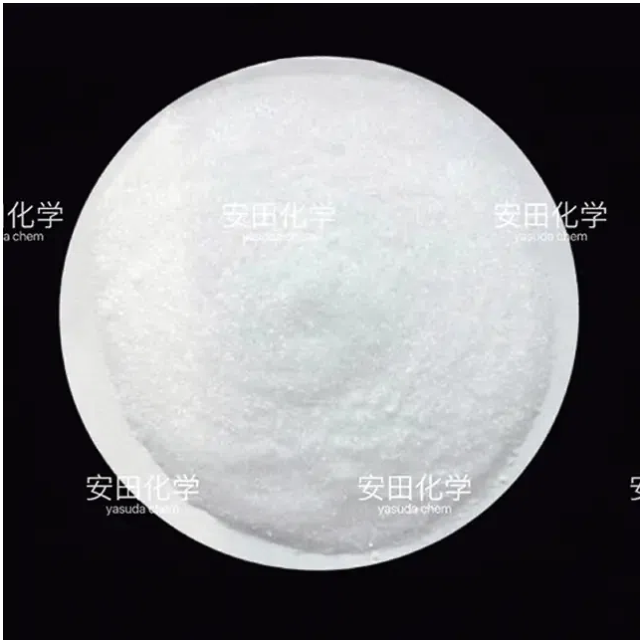
High purity sodium acetate is essential for applications where impurities could affect performance or safety, such as pharmaceuticals, food additives, or analytical reagents.
Raw Material Quality Assurance
We start with raw materials that meet strict quality standards. Acetic acid and sodium hydroxide are sourced from reputable suppliers and tested upon arrival for concentration and purity. This foundational step reduces the risk of introducing impurities early in the process.
Controlled Reaction Conditions
Precise control over the reaction environment is vital. Our automated systems regulate temperature, agitation speed, and reactant addition rates to ensure complete neutralization without side reactions. Maintaining the correct pH throughout the reaction is key to avoiding residual acidity or alkalinity that could degrade product quality.
Filtration and Impurity Removal
Following synthesis, the sodium acetate solution is passed through filtration systems to remove any insoluble solids or by-products. This step is crucial for producing a chemically pure product suitable for sensitive uses.
Batch Consistency and Documentation
We maintain detailed production records for each batch, tracking parameters and test results. This traceability ensures that customers receive products with reliable performance characteristics and provides transparency for audits or regulatory compliance.
Sustainable manufacturing and environmental safety are increasingly important in the chemical industry. At Wuxi Yasuda Chemical, we integrate eco-friendly principles into every aspect of sodium acetate production.
Waste Minimization
The neutralization reaction using sodium hydroxide and acetic acid is inherently clean, producing water as the only by-product. This reduces chemical waste and the need for complex disposal systems.
Energy Efficiency
Our drying equipment is selected and operated to optimize energy consumption. For instance, fluid bed dryers and vacuum dryers use heat recovery systems, lowering the overall environmental footprint.
Water Recycling
Process water from reaction and washing stages is captured, treated, and reused wherever possible, conserving resources and minimizing wastewater discharge.
Workplace Safety and Environmental Compliance
Our facility follows stringent safety protocols to protect employees and the environment. Use of closed reactors and automated controls reduces exposure to hazardous chemicals. Waste and emissions are monitored and managed according to local and international regulations.
By combining efficient chemistry with modern technology, we not only provide a superior product but also contribute to a safer, greener industry.
Sodium acetate production bridges fundamental chemistry and advanced industrial processes, delivering a compound that supports a wide range of industries with high purity and consistent quality. From the simple lab reactions that illustrate basic acid-base chemistry to the carefully controlled, automated production lines at Wuxi Yasuda Chemical Co., Ltd., every stage is designed to ensure product excellence. Our commitment to quality control, environmental sustainability, and innovation makes our sodium acetate a trusted choice for textile processing, food preservation, pharmaceuticals, and scientific research. For further information, detailed specifications, or inquiries about our sodium acetate products, please contact us. We look forward to supporting your business with our premium chemical solutions.


