


Views: 0 Author: Site Editor Publish Time: 2026-02-02 Origin: Site


Did you know that magnesium acetate plays a vital role in both industrial and environmental sustainability? This versatile compound is more than just a chemical—it is transforming multiple industries.
In this article, we will explore the diverse applications of [Magnesium Acetate], focusing on how it enhances processes across textiles, food, pharmaceuticals, and more. You will learn how this compound supports greener practices and improves efficiency in various sectors.
Magnesium acetate is a multifunctional compound that enhances the efficiency of industrial processes. Its widespread use across diverse sectors is driven by its ability to stabilize chemical reactions, improve product quality, and contribute to more sustainable practices.
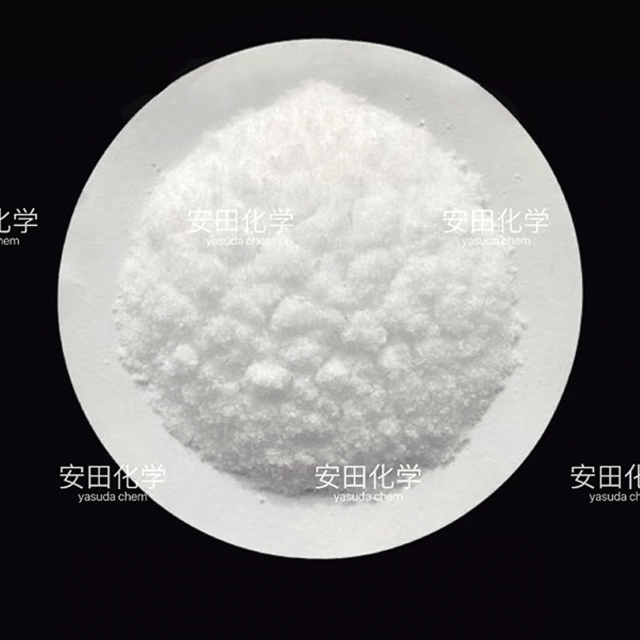
In the textile industry, magnesium acetate is primarily used as a mordant in the dyeing process. Mordants are substances that help dyes bind to fibers more effectively, leading to better color retention and durability. Magnesium acetate’s role as a mordant not only enhances the color vibrancy but also ensures that fabrics maintain their integrity during the dyeing process. This is especially important for high-end textiles where color fastness and fabric durability are key requirements. Its high solubility ensures even and efficient application, making it a preferred choice for manufacturers aiming to improve the quality of their products.
Magnesium acetate also helps maintain fabric integrity by preventing damage during dyeing. This reduces the risk of color bleeding or fading, ensuring that the final product meets high-quality standards.
When using magnesium acetate in textile processing, ensure proper dosage to achieve optimal results in both color retention and fabric strength.
Magnesium acetate is increasingly used in the food industry as a stabilizer and acidity regulator. It helps maintain the pH balance of processed foods, improving their flavor and prolonging their shelf life. This is particularly useful in products like cheeses, pickles, and beverages, where flavor preservation and pH control are critical for maintaining product quality. Magnesium acetate’s non-toxic nature makes it safe for use in food products, complying with stringent food safety regulations.
In addition to improving taste and shelf life, magnesium acetate plays an important role in maintaining food safety. It helps to prevent spoilage and contamination by regulating the acidity levels in foods, which can deter the growth of harmful microorganisms. This is especially valuable in processed foods, which require long shelf lives for distribution.
Magnesium acetate's versatility in food preservation makes it a preferred choice among food manufacturers looking to improve the quality and safety of their products.
Magnesium acetate is used in the pharmaceutical industry as an effective magnesium source. Magnesium is essential for various physiological functions, including bone health, muscle function, and energy metabolism. Magnesium acetate is used in the formulation of medications such as antacids, laxatives, and magnesium supplements.
In addition to its role in treating magnesium deficiencies, magnesium acetate is also used as a stabilizing agent in medical formulations. For example, it is a key ingredient in dialysis solutions, where it helps maintain the proper balance of electrolytes in the body during treatment. Its solubility and compatibility with other ingredients make it an ideal choice for pharmaceutical applications, ensuring the safety and efficacy of critical medications.
Tip: When using magnesium acetate in pharmaceuticals, ensure the product meets high-purity standards to guarantee patient safety and drug efficacy.
In agriculture, magnesium acetate is used as a supplement to address magnesium deficiencies in soil. Magnesium is an essential nutrient for plants, playing a crucial role in photosynthesis, enzyme activation, and overall plant health. Magnesium acetate provides an efficient solution for improving magnesium levels in magnesium-deficient soils, promoting better crop growth and increased yields.
Farmers often use magnesium acetate in precision agriculture, where targeted nutrient delivery is key to maximizing efficiency. By improving soil health and providing plants with the nutrients they need, magnesium acetate helps enhance agricultural productivity. Additionally, its eco-friendly profile makes it a suitable option for sustainable farming practices, contributing to the overall health of the environment.
Magnesium acetate also supports sustainable farming practices by reducing the need for synthetic fertilizers, which can have harmful environmental effects.
Industry | Application Description | Benefits |
Textile Industry | Used as a mordant in dyeing processes. | Enhances color retention and fabric integrity. |
Food Industry | Acts as a stabilizer and acidity regulator in processed foods. | Improves flavor and extends shelf life. |
Pharmaceutical Industry | Used to treat magnesium deficiencies and as a stabilizer in formulations. | Supports digestion and improves medication efficacy. |
Agriculture | Used as a magnesium supplement in soils. | Promotes healthy crop growth and productivity. |
As global awareness of environmental issues grows, magnesium acetate’s eco-friendly properties make it an attractive solution for several environmental applications. Its biodegradable nature and low toxicity make it an ideal candidate for sustainable industrial practices.
Magnesium acetate, particularly in the form of calcium magnesium acetate (CMA), is used as a de-icing agent for roads, sidewalks, and other surfaces during winter. Unlike traditional rock salts, which can cause corrosion to infrastructure and harm to the environment, magnesium acetate is non-corrosive and biodegradable. It effectively melts snow and ice without causing damage to vehicles, roads, or nearby vegetation.
Using magnesium acetate as a de-icing agent offers several advantages over traditional salts. It reduces the long-term maintenance costs of infrastructure by preventing corrosion, and its biodegradable nature ensures that it does not harm the environment. In regions with strict environmental regulations, magnesium acetate is often the preferred de-icing solution due to its sustainable characteristics.
Tip: Municipalities looking for an eco-friendly de-icing solution should consider magnesium acetate to reduce infrastructure damage and promote sustainability.
Magnesium acetate is used in wastewater treatment processes to help remove contaminants and purify water. It acts as a coagulant, enhancing the removal of suspended solids and improving the overall efficiency of water treatment plants. By improving the clarity and quality of wastewater, magnesium acetate supports the preservation of clean water systems and helps meet environmental discharge standards.
The use of magnesium acetate in wastewater treatment is particularly beneficial for industries with high discharge levels, as it helps reduce the environmental impact of their operations. It also plays a role in minimizing the volume of sludge produced during treatment, improving the overall efficiency of the process.
Magnesium acetate is being researched for its potential role in carbon capture technologies. Due to its ability to absorb carbon dioxide from industrial emissions, magnesium acetate could play a key part in efforts to combat climate change. By capturing CO2, magnesium acetate helps reduce greenhouse gas emissions, making it an important tool in mitigating the effects of global warming.
Further research is exploring how magnesium acetate can be integrated into carbon management systems to support climate change mitigation efforts. Its potential to reduce industrial emissions makes it a promising solution for sustainable manufacturing practices.
Application | Environmental Impact | Benefits |
De-icing | Non-corrosive and biodegradable alternative to rock salt. | Reduces infrastructure damage and environmental harm. |
Wastewater Treatment | Helps improve water purification and removes contaminants. | Enhances water quality and supports ecological health. |
Carbon Capture | Absorbs carbon dioxide from industrial emissions. | Reduces greenhouse gases and supports climate change mitigation. |
In addition to its role in environmental sustainability, magnesium acetate plays a vital part in improving industrial chemical processes. Its catalytic properties and ability to support efficient reactions make it a valuable compound in several industries.
Magnesium acetate is used as a catalyst in various chemical synthesis processes. In industries such as plastics and resins, magnesium acetate accelerates reactions and improves their overall efficiency. By enhancing reaction rates and modifying reaction kinetics, magnesium acetate ensures that industrial processes are more cost-effective and environmentally friendly.
Its use as a catalyst not only reduces the time and energy required for chemical reactions but also helps improve the yield and quality of the final product. This makes magnesium acetate a crucial component in the production of high-performance chemicals and materials.
Magnesium acetate is gaining interest in the renewable energy sector, particularly for its potential applications in energy storage technologies. As industries seek more efficient and sustainable energy storage solutions, magnesium acetate could play a role in developing new battery technologies. Its properties also make it a promising candidate for producing bioplastics, which align with the global shift toward renewable materials and sustainable manufacturing practices.
Industries in the renewable energy sector should explore magnesium acetate’s potential in energy storage technologies to enhance the sustainability of their operations.
Magnesium acetate is available in different grades, with high-purity versions being essential for industries requiring strict quality standards.
In pharmaceutical applications, high-purity magnesium acetate ensures that the compound is free from contaminants that could affect the quality and safety of medications. This is especially important in the production of antacids and laxatives, where the purity of ingredients directly impacts their efficacy and safety. High-purity magnesium acetate helps meet the stringent requirements of the pharmaceutical industry, ensuring that products are safe for consumers.
The high-purity grade of magnesium acetate is also used in food applications, ensuring that the compound meets food safety standards and does not introduce any impurities into the product. It is particularly important in processed foods where quality and safety are critical. By using high-purity magnesium acetate, food manufacturers can guarantee the consistency and safety of their products, aligning with regulatory standards.
Magnesium acetate is a versatile compound used across various industries such as textiles, food, and pharmaceuticals. Its applications enhance efficiency and sustainability. YASUDA CHEMICAL provides high-quality magnesium acetate, ensuring reliability and performance for diverse industrial uses. Their products support greener practices while optimizing industrial processes.
A: Magnesium acetate is used in industries like textiles, food preservation, pharmaceuticals, and agriculture for enhancing processes and improving efficiency.
A: It helps regulate pH, improves flavor, and extends the shelf life of food products, ensuring safety and quality.
A: Yes, it is used in de-icing, wastewater treatment, and pollution control due to its eco-friendly properties.
A: YASUDA CHEMICAL’s magnesium acetate is of high purity and quality, ensuring optimal performance in industrial and environmental applications.


